seismic wire rope is a critical component in seismic exploration, a method used to search for underground oil and gas deposits. These durable and reliable cables are specially designed to withstand the harsh conditions of seismic operations, making them a crucial tool for geologists and companies in the oil and gas industry.
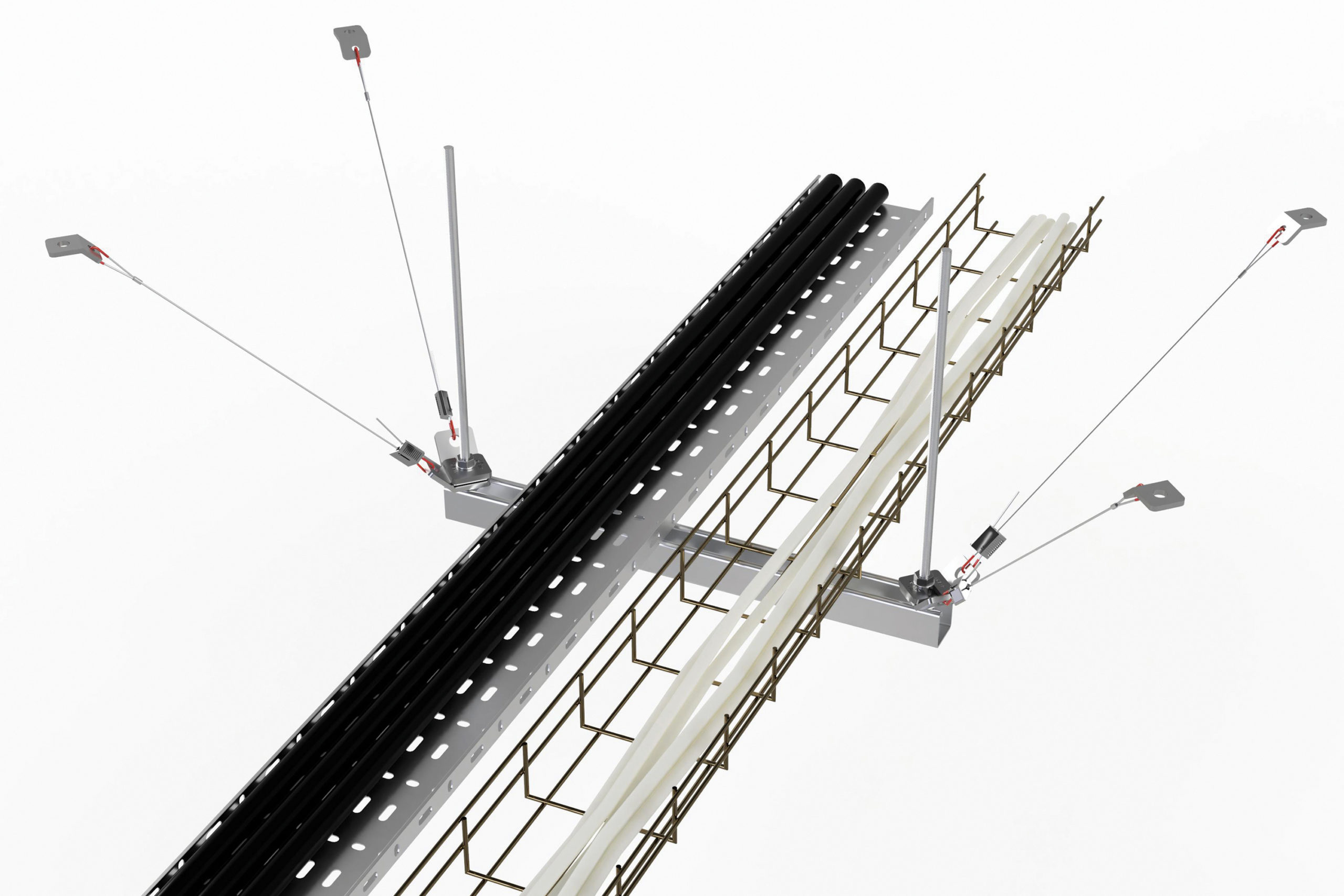
seismic wire rope is constructed using multiple strands of high-strength steel wire, twisted together to form a flexible and strong cable. The wires are typically galvanized to protect against corrosion and extend the lifespan of the rope. This construction allows the wire rope to handle heavy loads and resist abrasion, making it ideal for use in seismic exploration where rugged and challenging terrain is common.
One of the key features of seismic wire rope is its ability to withstand constant tension and twisting without compromising its integrity. This is essential during seismic operations, where the wire rope is used to support heavy equipment such as vibrators and sensors. The durability of seismic wire rope ensures that it can reliably transmit seismic waves generated by the equipment, allowing geologists to accurately map the subsurface geology and locate potential oil and gas reservoirs.
In addition to its strength and durability, seismic wire rope is also designed to be highly flexible. This flexibility allows the wire rope to be easily coiled and uncoiled, making it easier to handle and transport to remote and challenging locations. The flexibility of seismic wire rope also minimizes the risk of kinking or bending, which can lead to premature wear and potential failure of the cable.
Another important characteristic of seismic wire rope is its resistance to abrasion. During seismic operations, the wire rope may come into contact with rocks, debris, and other abrasive materials that can wear down the outer surface of the cable. To prevent damage and maintain the structural integrity of the wire rope, it is often coated with a protective layer of plastic or polymer. This coating not only protects the wire rope from abrasion but also helps to reduce friction and improve its overall performance.
seismic wire rope comes in various sizes and configurations to meet the specific needs of seismic exploration projects. The diameter and strength of the wire rope are determined based on the load it will be subjected to and the environment in which it will be used. Thicker wire ropes are typically used for heavier loads, while lighter cables are suitable for smaller equipment and less demanding applications. The varying configurations of seismic wire rope allow geologists and companies to customize their seismic operations and optimize the performance of their equipment.
Overall, seismic wire rope plays a crucial role in the success of seismic exploration projects. Its strength, durability, flexibility, and resistance to abrasion make it an essential tool for geologists and companies in the oil and gas industry. By choosing the right seismic wire rope for their specific needs, geologists can confidently conduct seismic surveys and accurately identify underground oil and gas deposits.
In conclusion, seismic wire rope is a vital component in seismic exploration, enabling geologists and companies to conduct surveys with precision and reliability. Its unique characteristics make it well-suited for the challenging conditions of seismic operations, allowing for the efficient transmission of seismic waves and the accurate mapping of subsurface geology. With the right seismic wire rope, geologists can confidently explore the Earth’s crust and unlock the potential of underground oil and gas resources.